
Machine Weft Hair Extensions: The Sew-In Standard
Quick answer
Machine weft hair extensions are bundles of Remy hair sewn onto a reinforced strip by sewing machine, then anchored to a beaded row by stitching or micro-beading. Superior Hair machine wefts are 20 inch, 50g and 50cm wide, sit 6 to 8 weeks per application, and can be reused up to three times. Stylist install only.
Every weft method launched in the last five years gets measured against the machine weft. It is the oldest professional format on the shelf, the sturdiest, and the one most stylists learned to sew first. This guide covers what machine weft hair extensions are, the hair types they belong on, how the row behaves over a 6 to 8 week cycle, and when to steer a client toward a flatter weft instead.
In this guide
What a machine weft actually is
A machine weft is made by feeding hair through a sewing machine so the strands are stitched onto a reinforced strip. That stitched seam is the whole story. It is what makes the weft shed-resistant, it is what makes it sturdy enough to reuse, and it is also what makes the track thicker than a hand-tied alternative. Nothing about that is a flaw. It is a trade: you get density and durability, and you pay for it in seam depth.
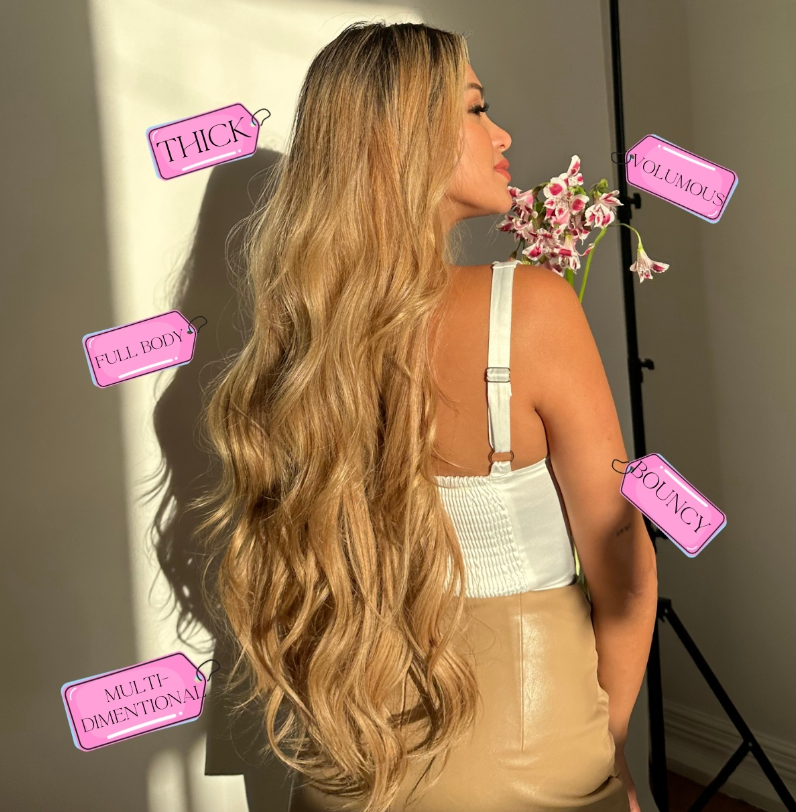
Superior Hair machine wefts are supplied at 20 inch, 50g per weft, 50cm wide, one weft per pack. Two to three packs covers a standard full head, so most installs sit at 100g to 150g of added hair across two or three rows. That is a useful number to say out loud at consultation, because clients hear "weft" and picture something either far heavier or far lighter than what you are actually going to put in.
The hair itself matters more than the seam. Machine wefts are built from 100% Remy human hair with the cuticles intact and running in the same direction, which is what keeps a set from matting at the nape by week four. Superior Hair manufactures its own stock, and you can read how the raw hair is sorted and graded on the Our Hair and Factory page. If you want the longer explanation of why cuticle direction changes how long a set survives, there is a full breakdown in this piece on cuticle-intact double drawn Remy hair.
Building out your method menu?
Wefts, tapes, nano tips and U-tips all solve different hair types. Seeing the professional range side by side makes it easier to decide what you actually want to stock and certify in.
Browse the professional semi-permanent range →Why the sew-in is still the standard
Machine weft hair extensions are secured two ways, and both start the same: a row of silicone-lined beads clamped along a clean horizontal section. From there you either stitch the weft to that row with needle and thread, or bead the weft directly onto it. The sew-in is the traditional route and still the one most pros default to on thick hair, because the thread distributes load along the entire track instead of concentrating it at individual points.
That is the real argument for a row-based method. Individual bonds put every gram of added weight onto a small cluster of strands, while a weft spreads the same weight along 50cm of stitched seam on an anchored row. For a client with dense, healthy hair who wants serious length, that is a sound way to carry 150g.
The honest downside: the row is visible if the hair above it is not dense enough to cover it, and the install is not quick. Budget 2 to 3 hours. Anyone promising a full head of sewn wefts in an hour is either cutting rows or cutting corners.
Which clients suit machine wefts
Medium to thick hair. That is the short version. The machine-made bond is larger than a hand-tied or silk-base alternative, so it needs a canopy of natural hair above it that can genuinely conceal the track. On fine or sparse hair the seam telegraphs, especially in a ponytail or under direct light, and no amount of clever sectioning fixes that.
When a client's hair is too fine for a machine weft, say so and move them across rather than forcing it. Genius wefts are hand-tied with a much smaller track and suit thin to medium hair, and the seam can be cut anywhere without unraveling, which is covered properly in this article on cutting genius wefts. For the flattest possible result on fine or fragile hair, the invisi butterfly weft installs on micro-beads alone in about 15 minutes and flips to lie against the scalp.
| Machine weft | Genius weft | Invisi butterfly weft | |
|---|---|---|---|
| Construction | Machine-stitched on a reinforced strip | Hand-tied, minimal track | Flat invisi base with butterfly holes |
| 20 inch spec | 50g, 50cm wide | 50g, 80cm wide | 50g, 36cm wide |
| Attachment | Sew-in or micro-bead on a beaded row | Sew-in or micro-bead | Micro-beads only, no thread, glue or tape |
| Best for | Medium to thick hair wanting density | Thin to medium hair | Fine or fragile hair, comfort-led clients |
| Chair time | 2 to 3 hours full head | Varies with rows and method | About 15 minutes |
Installing the row: sectioning, tension, timing

Start on freshly washed hair with no product, oil or leave-in at the root. Beads slip on conditioned hair, and a row that slips in week one migrates all cycle.
Section horizontally and keep the row well inside the perimeter, with enough hair left down to cover the track completely when the head tilts forward. Take the beads on consistent sub-sections so the row sits level rather than scalloping. Clamp firm but not crushed: you want the bead to hold position when you slide a tail comb under it, and you want the client to be able to move their scalp without drag. A row that feels tight in the chair does not loosen into comfort. It stays tight and takes hair with it.
Machine wefts are customizable in width, but the seam is a sewn seam, not a genius seam. Cut it and it can unravel unless you secure and seal the cut end, which is exactly why genius wefts exist as the cut-anywhere option. Plan your row lengths before you pick up scissors, and where you can, fold or double back rather than cut. On most heads a 50cm weft gives you a full nape row with enough left to shape around the sides.
Want the technique certified?
Row placement, tension control, sew-in versus beaded attachment and clean removal are all taught in the Superior Hair Training Academy, so you can add wefts to your service menu properly rather than learning on a paying client.
See the Training AcademyMove-ups, reuse and real lifespan
Book the move-up at 6 to 8 weeks. By then the beaded row has travelled far enough down the growth that the weft hangs away from the scalp, tension shifts, and matting risk climbs at the root. Clients who push to ten or twelve weeks are the ones who come back with tangling above the track.
At every move-up, check three things before you re-install. Bead integrity first: silicone liners wear and a stretched bead will not hold a second cycle. Then the seam, looking for shedding along the stitch line or any soft spot where the strip has been cut previously. Then the client's own hair at the row, checking density and any sign of traction at the section edges. If the natural hair looks stressed, drop a row or move the placement rather than rebuilding on the same sections.
Machine wefts can be reused up to three times, and a well-cared-for set lasts up to a year. That reuse is the commercial argument for the method: your client pays for hair once and pays for maintenance appointments across the year, which is a gentler cost curve than replacing bonded hair every cycle. Be straight with them that reuse depends entirely on aftercare, not on the hair being indestructible.
Color matching and customizing the weft

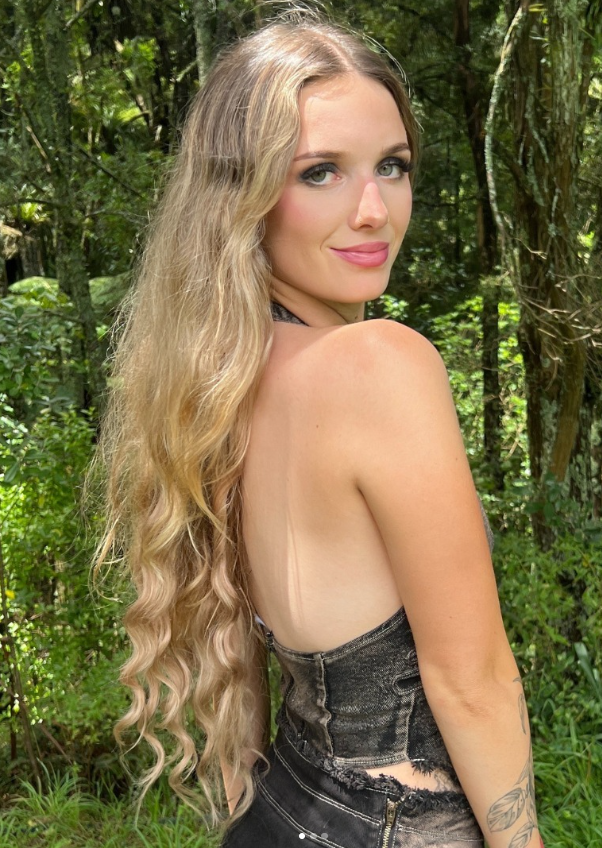
Match to the mid-lengths and ends, not the root. A weft installed below the occipital sits in the client's darkest zone at the top of the track and blends into their lighter lengths lower down, so matching to root color reads heavy and flat. If the client wears a root shadow or a lived-in base, you want the weft to agree with where their color lands at chin level and below.
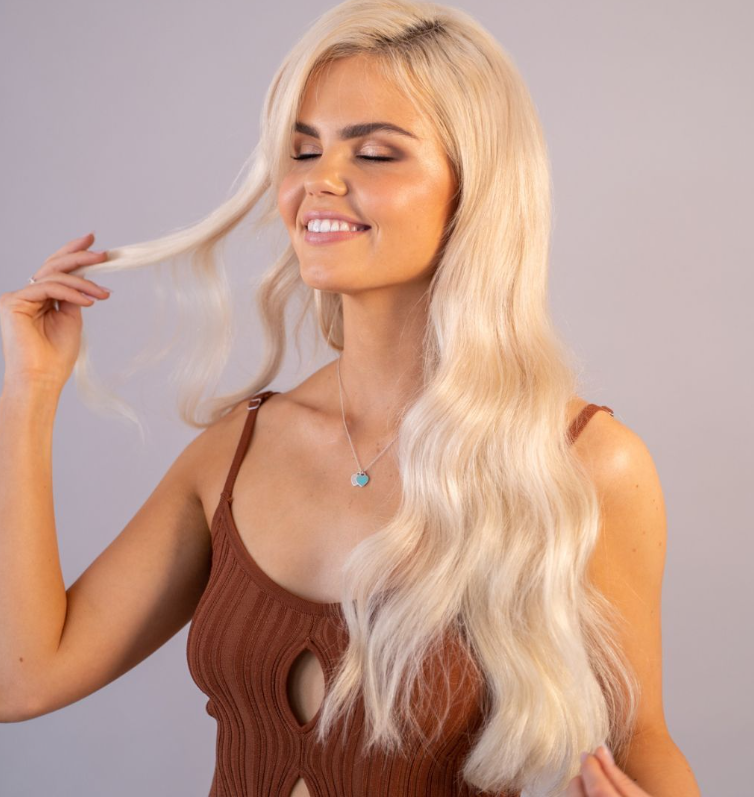
Superior Hair stocks the machine weft range in twenty shades, including solid bases, highlighted mixes and balayage blends, and you can compare them against the client's lengths using the machine weft color guide. Two rows in slightly different shades is a legitimate technique on dimensional color work. It reads more natural than a single flat block of one level.
Do not lighten the hair. Extension hair has already been through a chemical process, so bleaching it is unpredictable and risks the integrity of the whole set. Going darker is lower risk but still done at the client's risk, and a toner or gloss is the safer way to close a small gap in tone. If the shade is more than a level or two off, order the right one instead of correcting the wrong one.
The aftercare that decides the outcome
Whether a set reaches three cycles or dies in one comes down to what happens between appointments. Send every weft client home with the same list, in writing.
- Sulfate-free shampoo and alcohol-free styling products, always.
- No conditioner at the root or through the bead row. Mid-lengths and ends only.
- Never brush wet hair, and use an extension-friendly brush when dry.
- No daily washing. Dry shampoo covers the in-between days.
- Heat protectant on every tool, and keep irons off the track and the bonds.
- No coconut oil based products. Argan oil is fine.
- Loosely braid or gather the hair at night to stop overnight tangling.
- No tying the hair up for the first week, and no swimming in extensions.
The full routine, including washing technique and product choices, is set out in the Superior Hair care guide, which is worth linking in your booking confirmation email so it is in the client's inbox the day they leave the salon.
Stock the weft your thick-haired clients keep asking for
Twenty shades of 100% Remy machine weft at 20 inch, 50g and 50cm wide, made in our own factory and built to be reused.
Shop machine weft extensions →Frequently asked questions
What are machine weft hair extensions?
Machine weft hair extensions are bundles of Remy human hair sewn onto a reinforced strip using a sewing machine, creating a durable, shed-resistant track. The weft is attached to a row of silicone-lined beads in the client's hair, either by stitching it on or by beading it directly. Superior Hair machine wefts come at 20 inch, 50g per weft and 50cm wide.
How long do machine weft hair extensions last?
Each application sits for 6 to 8 weeks before the row needs moving up. The hair itself can be reused up to three times, which means a well-maintained set lasts up to a year. Lifespan depends heavily on aftercare: sulfate-free washing, no conditioner at the row, no brushing wet hair, and regular maintenance appointments on schedule.
Are machine wefts suitable for fine hair?
Generally no. Machine-made wefts have a larger bond than hand-tied or silk-base options, so they suit medium to thick hair where the canopy can hide the track. On fine or sparse hair the seam tends to show. Genius wefts have a far smaller track for thin to medium hair, and invisi butterfly wefts sit flattest of all.
How many packs are needed for a full head?
Two to three packs covers a standard full head, with one weft per pack at 50g each. That puts a typical install between 100g and 150g of added hair across two or three rows. Very dense hair or a client wanting significant length will sit at the upper end, while a partial install for volume alone may need only one pack.
Can clients install machine weft extensions themselves?
No. Machine wefts are a professional semi-permanent method requiring a beaded row, correct sectioning and controlled tension, and a full head takes a trained stylist 2 to 3 hours. A self-installed row risks traction on the natural hair and slipping wefts. Clients who want to fit their own hair should be directed to clip-ins, halos or ponytails instead.
Can machine wefts be cut to fit the head?
They can be customized in width, but a machine-sewn seam can unravel at a cut end unless it is secured and sealed. Plan row lengths first and fold or double back where possible rather than cutting. If you want a weft that can be cut anywhere along the seam without unraveling, genius wefts are built specifically for that.